
Ho Chi Minh - a lively and bustling city
Ho Chi Minh City is a fantastic destination, perfectly blending the vibrancy of a modern metropolis with a rich cultural and historical heritage. The city offers visitors a wealth of diverse experiences, from exploring architectural heritage to enjoying trendy entertainment.
Located about 80-90km east of the city center, this area boasts a peaceful and clean environment, making it the perfect stop for visitors to explore nature and experience diverse cuisine before heading to the coast
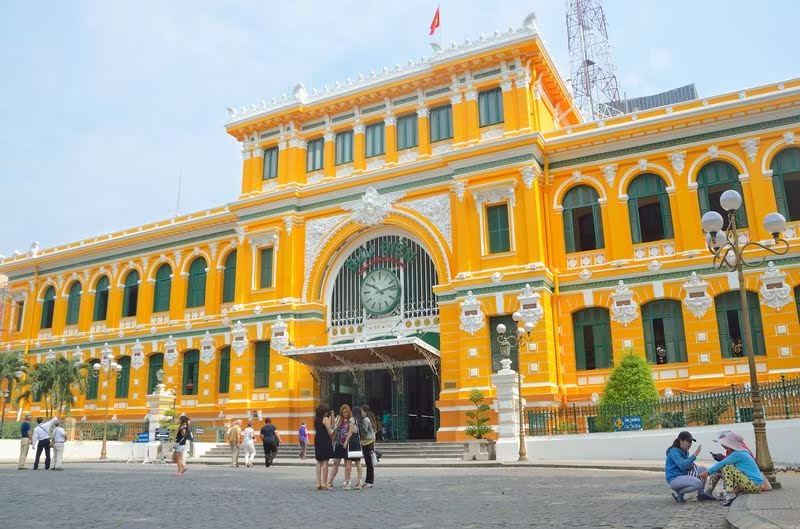
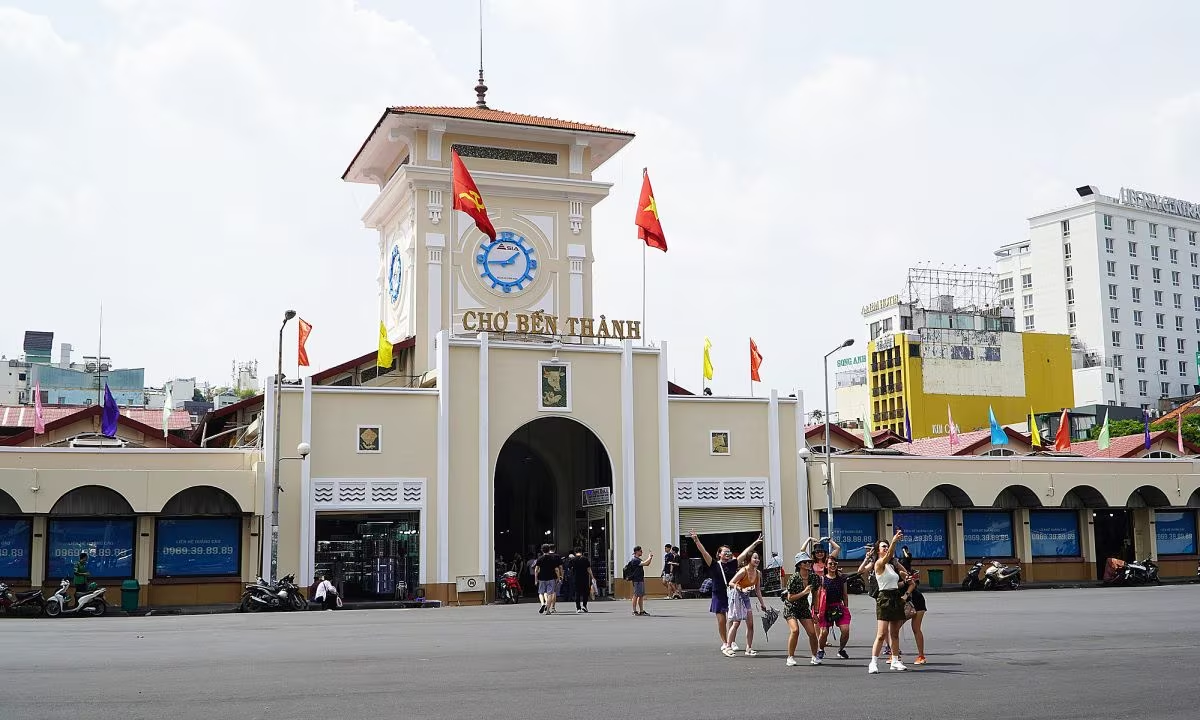
Historical and Architectural Icons
- Independence Palace: Located in the heart of Sai Gon Ward, Independence Palace – the Reunification Hall – is a special national monument, witnessing many significant historical events of the country.
- Notre Dame Cathedral and Saigon Central Post Office: A Saigon travel guide featuring these two iconic French-style buildings, these are must-see destinations for all visitors.
- Ben Thanh Market: A long-standing symbol of commerce, where you can experience bustling shopping culture and enjoy unique street food.
- Ba Ria Round House: Located right at the central intersection, this is a unique French architectural relic hundreds of years old.
- Long Phuoc Tunnels: A heroic revolutionary historical site offering a unique experience exploring an underground tunnel system.
- Tu Phuong That Dao Eco-tourism Area: An ideal destination to immerse yourself in the natural beauty of the countryside, go fishing, and enjoy local cuisine.
- Phu Cuong Cathedral: Located in the heart of Thu Dau Mot, it boasts stunning Gothic architecture resembling magnificent churches in Europe.
- Hoi Khanh Pagoda: An ancient pagoda over 300 years old, famous for having the largest reclining Buddha statue in Asia on its roof.
- Dai Nam Tourist Area: A massive tourist complex with temples, an open-air zoo, a racetrack, and a large artificial beach.
- Thuy Chau Tourist Area: A lush green ecological picnic spot, famous for its artificial stream and natural waterfalls for swimming.
Modern Entertainment Spaces
- Landmark 81: The latest Saigon travel guide 2026 in Thu Duc City, one of the tallest buildings in the area, offering shopping, dining, and panoramic city views from the Skyview observation deck.
- Nguyen Hue Walking Street: The busiest street in the city center, where street performances, festivals, and a favorite walking space for locals and tourists alike take place.
- Grand Park Entertainment Universe: A top destination for fun, picnics, and photo opportunities in Saigon at night, with vast green spaces and modern amenities.
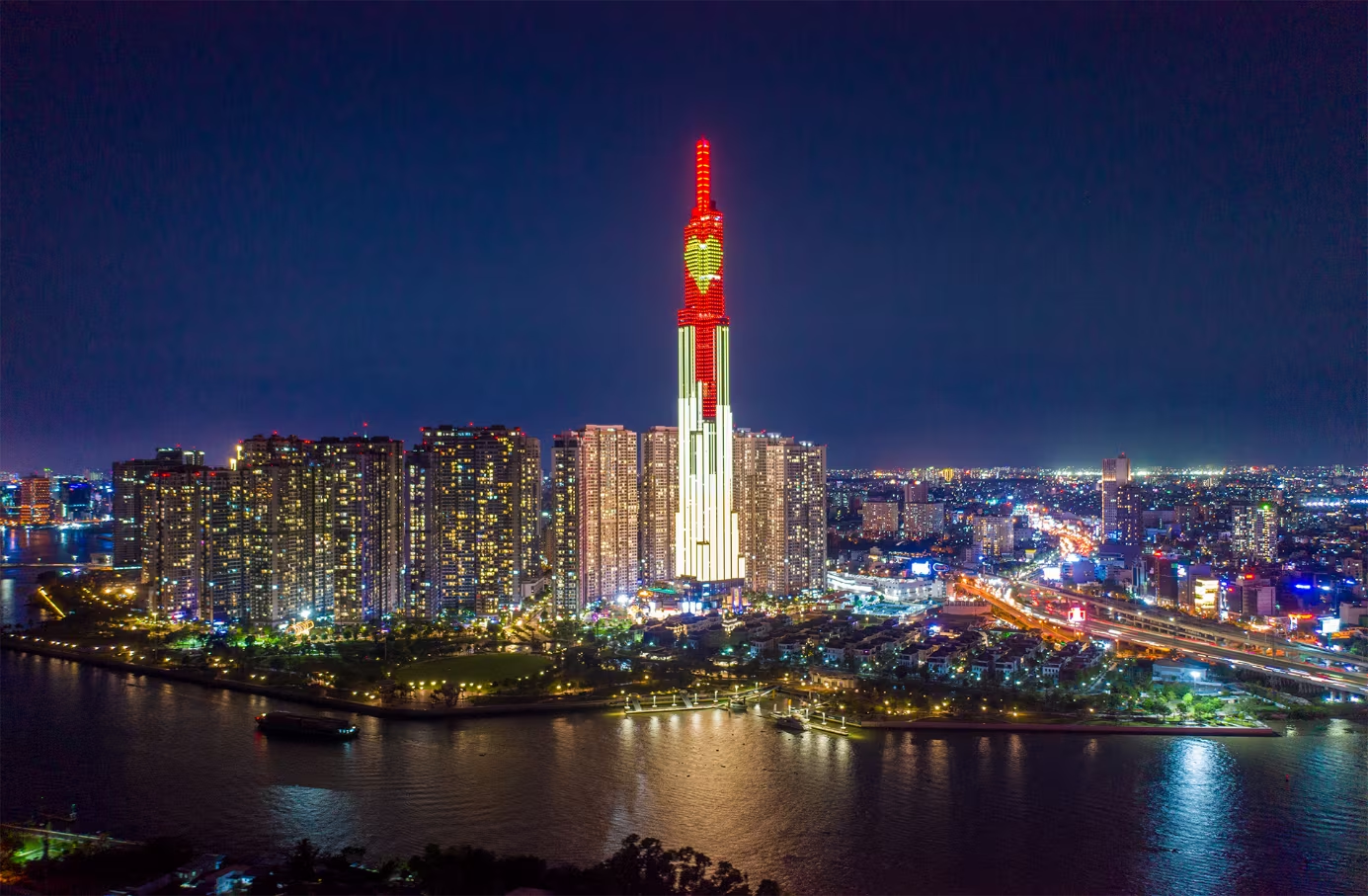
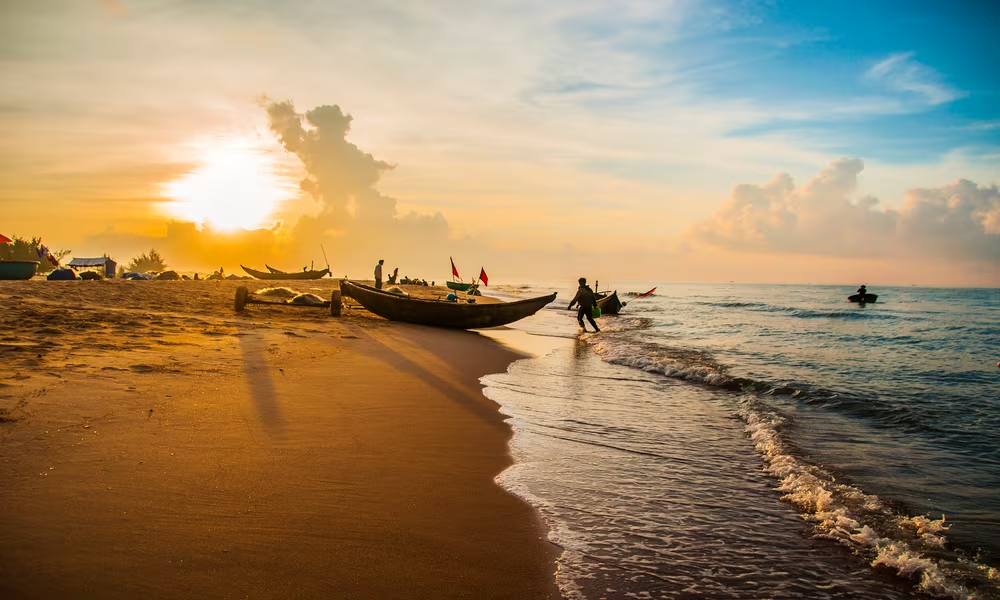
Modern Entertainment Spaces
- Can Gio Biosphere Reserve: Considered a new growth engine for the city’s tourism, offering a unique experience combining mangrove forest and marine ecosystems. Summer tourism in Ho Chi Minh City is vibrant.
- Saigon River Cruises: Enjoy the cool atmosphere and admire the city lights from a completely new perspective on cruises.
- Ho Tram & Ho Coc Beaches: Located about 30-40km from Ba Ria City, famous for its fine white sand and clear blue water. This is a tranquil seaside resort paradise.
- Binh Chau Hot Springs: An ideal destination for relaxation and health-restoring hot mineral baths.
- Vung Tau Marina Yacht Harbor: Located at the mouth of the Dinh River (very close to Ba Ria City), a super luxurious and stylish European-style photo spot.
- Dau Tieng Lake: A paradise for camping, SUP paddling, and watching the sunset.
- Phu An Bamboo Village: A peaceful green space, preserving hundreds of unique bamboo varieties.
Frequently Asked Questions
What is medical tourism in Vietnam?
Medical tourism in Vietnam is the booming practice of traveling to the country specifically for high-quality, affordable healthcare and wellness. Foreigners and overseas Vietnamese save up to 40%–70% on procedures compared to Western costs, combining treatments like dental care, IVF, and cosmetic surgery with relaxing recovery holidays.
Why Patients Choose Vietnam
-
Major Cost Savings: Procedures cost 40-70% less than in the US, UK, or Australia.
-
High Clinical Standards: Top-tier hospitals possess international certifications (such as JCI and ISO).
-
World-Class Facilities: Leading networks like the Vinmec Healthcare System feature advanced surgical equipment and affiliations with global institutions.
-
Specialized Care: Success rates meet international benchmarks across fields like Cardiology, Orthopedics, Fertility (IVF), and Oncology.Most Popular Treatments
-
Cosmetic Surgery: Facelifts, breast augmentation, and tummy tucks.Dental Care: Highly sought after for affordable implants and veneers.
-
Fertility Treatments: Competitive and successful in-vitro fertilization (IVF) packages.
-
Traditional Medicine: Traditional remedies, hot-spring rehabilitation, and wellness retreats.
Top Destinations & Recovery
Many medical tourists utilize top-rated facilities to pair procedures with a relaxing post-op holiday:
-
Ho Chi Minh City: The leading hub for medical tourists, supported by dedicated resources via the Ho Chi Minh City Department of Tourism.
-
Hanoi & Da Nang: Popular for advanced treatments mixed with wellness tourism.
-
Recovery Havens: Many patients recover at coastal resorts in Da Nang, Phu Quoc, or Nha Trang.
Language & Logistics
While public hospitals may present a language barrier, major private hospitals employ doctors fluent in English, French, and other languages. Additionally, many medical agencies offer comprehensive patient packages that handle everything from airport transfers to medical visas
Why is medical tourism in Vietnam attractive to international visitors?
Medical tourism in Vietnam is highly attractive to international visitors due to its combination of highly affordable medical costs, world-class facilities with modern equipment, and the opportunity to combine specialized treatments with a luxury vacation.
Key factors driving this popularity include:
Unbeatable Cost-Effectiveness: Medical procedures in Vietnam cost a fraction of what they do in the US, Europe, or even other Asian medical hubs like Thailand. For example, a heart bypass surgery that costs $25,000 to $30,000 in Thailand runs only $10,000 to $15,000 in Vietnam.
Specialized Expertise & Technology: Vietnamese hospitals—particularly premium private facilities like the Vinmec Health System or FV Hospital in Ho Chi Minh City—feature modern medical technology, JCI (Joint Commission International) accreditations, and doctors trained globally.
Top Procedures: International patients primarily flock to the country for high-quality, low-cost dentistry (such as implants and veneers), cosmetic surgery, and highly successful fertility treatments (like IVF).
Integrative Wellness: Beyond Western medicine, visitors are drawn to traditional Vietnamese herbal therapies, acupuncture, and wellness retreats.
Leisure and Recovery: Vietnam offers a rich cultural heritage and beautiful tropical landscapes, allowing patients to recover in world-class beach resorts or serene natural environments. Many clinics even offer all-inclusive “medical packages” that bundle treatments with accommodations and guided tours
What are the top medical procedures for international tourists in Vietnam?
International tourists primarily travel to Vietnam for dental care, cosmetic surgery, fertility treatments (IVF), orthopedic surgeries, and comprehensive health check-ups. Visitors are drawn to the country by high-quality care, internationally trained doctors, and massive savings—often 50% to 70% cheaper than in the US or Europe.
Top 5 Medical Procedures
Dental Care: The most popular choice for travelers. Procedures range from basic whitening to major restorative work, including dental implants and full-mouth restorations.
Cosmetic and Plastic Surgery: Vietnam is a booming hub for aesthetic procedures like rhinoplasty, eyelid surgery, and breast augmentation. Clinics offer advanced techniques and natural-looking results at a fraction of Western costs.
Fertility Treatments (IVF): Vietnam features highly successful In Vitro Fertilization (IVF) cycles. Costs are significantly lower than in places like the US or Australia, making it highly accessible without long waiting lists.
Orthopedic Surgery: Procedures such as total knee and hip replacements, as well as sports injury treatments, are performed by experienced surgeons using modern facilities.
Health Check-Ups: Comprehensive executive and preventive health screenings—including cancer and cardiology scans—provide peace of mind while traveling.
Popular Medical Tourism Hubs
Ho Chi Minh City: The epicenter of medical tourism in Vietnam, accounting for roughly 40% of all medical tourists. Top facilities include FV Hospital and Vinmec Central Park.
Hanoi Capital: Known for highly reputable hospitals with modern technology, such as the Military Central Hospital 108 and Vinmec Times City.
Wellness and Recovery
Many travelers pair their medical procedures with recovery in stunning tourist destinations. Popular post-recovery retreats include the coastal town of Da Nang, the tranquil beaches of Nha Trang, and the heritage sites of Hoi An. Many local hospitals even offer all-inclusive medical packages that bundle your treatment with airport transfers and luxury resort stays.
How much can foreign patients save on healthcare costs in Vietnam?
Foreign patients can save 60% to 80% on healthcare costs in Vietnam compared to Western countries like the U.S. or Australia, while still enjoying world-class facilities and internationally trained specialists.These significant savings span across multiple medical fields. Below are examples comparing typical private hospital and clinic costs in Vietnam against U.S. averages:
Average Procedure Cost Comparison
Treatment / Procedure Typical Cost in Vietnam Average U.S. Cost
Dental Implant (per tooth) $1,000 – $1,200 $4,000 – $5,000
LASIK Eye Surgery (both eyes) $800 – $1,200 $4,000 – $5,000
Heart Bypass Surgery $10,000 – $15,000 $100,000+
MRI Scan $250 – $400 $1,000 – $3,000+
Why Care is Cheaper but High-Quality
Lower Overhead: Operating costs and staff salaries are much lower, which allows top-tier private and international facilities in hubs like Ho Chi Minh City and Hanoi to pass those savings directly to patients.
State-of-the-Art Care: Many facilities use identical high-end European materials and robotics seen in Western clinics. Major medical tourism providers like FV Hospital or Vinmec International Hospital also boast international-standard accreditations.
No Long Waitlists: Procedures such as major surgeries or diagnostic scans can be scheduled almost immediately, preventing costly delays.
Should foreign patients choose hospitals or clinics in Vietnam?
Foreign patients and expats should almost always choose international or private hospitals/clinics in Vietnam for their medical needs. They provide essential services that are highly difficult to navigate in the public system, though the best choice depends on the severity of the medical issue.
Choose a Hospital If:
-
You have an emergency: Hospitals have 24/7 emergency departments, intensive care units (ICUs), and surgical theaters.
-
You require inpatient care: Hospitals have beds, wards, and dedicated overnight monitoring for major treatments.
-
You need complex testing: Hospitals are better equipped with advanced imaging like MRIs and CT scans, and have on-site laboratories.
Choose a Clinic If:
You need basic consultations: Good for general check-ups, standard dental care, pediatric visits, or prescription refills.
-
You want faster turnaround: Clinics usually have shorter waiting times for outpatients than large hospitals.
-
You need specialist referrals: Primary care clinics can evaluate an issue and, if necessary, refer you to the appropriate specialist or hospital.
Key Advantages of the Private/International Sector:
-
Language Support: Most private facilities employ English-speaking doctors, nurses, and international patient coordinators.
-
Insurance Direct Billing: Private international hospitals and clinics usually have established relationships with overseas and local insurance providers.
-
Modern Facilities: Many international hospitals (like the JCI-accredited Gia An 115 Hospital or CIH Hospital or FV Hospital or American International Hospital (AIH)) maintain western standards and advanced medical technology.
What to prepare for a medical trip to Vietnam?
For a medical trip to Vietnam, you should prioritize comprehensive travel medical insurance, carry your doctor’s official letters/prescriptions, and ensure you have updated routine vaccinations.
Preparing effectively involves the following essential steps:
-
Documentation & Insurance
-
Medical Records: Bring physical and digital copies of your medical history, recent lab results, and any doctor referral letters.
-
Prescription Letters: Carry a doctor’s letter detailing your medical conditions, required daily dosage, and generic medication names. For controlled substances, you may only be allowed a 7-day supply and must declare them to customs.
-
Travel Insurance: Obtain international medical insurance that covers overseas medical treatment, potential hospitalization, and medical evacuation.
-
Verify Providers: Use the U.S. Embassy in Vietnam or contact your consulate for lists of recommended English-speaking doctors and international-standard facilities (like FV Hospital in Ho Chi Minh City or Vinmec in Hanoi).
-
Medications & Medical Kit
-
Full Supply: Pack a full supply of all your necessary prescription medications and vitamins, as some specific formulations may be difficult to find or legally restricted.
-
Personal First-Aid: Stock a travel kit with a DEET-based insect repellent, high-SPF sunscreen, pain relievers (paracetamol/ibuprofen), anti-diarrhea tablets, and rehydration/electrolyte salts.
-
Vaccinations
-
Consult a travel clinic or healthcare provider 6 to 8 weeks before your departure.
-
Recommended routine immunizations typically include Hepatitis A and B, Typhoid, Tetanus/Diphtheria, and MMR.
-
Depending on your itinerary, Japanese Encephalitis may be recommended if you plan to travel to rural areas.
-
Post-Procedure Planning
-
Recovery Time: Factor in time for recovery depending on your procedure. Minor procedures (e.g., dental, LASIK) require 1 to 7 days, while major surgeries (e.g., orthopedics, cosmetic) may require 2 to 4 weeks before you are cleared to fly.
-
Recovery Locations: Consider resting in cities with modern healthcare infrastructure and relaxing environments, such as Da Nang, Nha Trang, or Ho Chi Minh City.
How long is a medical visa stay in Vietnam?
Vietnam does not issue a dedicated “Medical Visa”. Instead, international patients traveling for treatment typically use a Tourist e-Visa (DL), which allows a stay of up to 90 days (single or multiple entry).
The stay is managed as follows:
E-Visa: Valid for up to 90 days. You can apply via the official Vietnam National Electronic Visa System.
Visa Exemption: Passport holders from specific countries (like the UK, Japan, Germany, and South Korea) are granted a stay of 45 days upon arrival.
Extension: If your treatment or recovery requires a longer stay, you can apply for a visa extension (1 to 3 months) through the local immigration department or a licensed service agency.
How to care for, monitor, and respond to post-procedure care?
Post-procedure care requires actively managing pain, keeping the surgical site clean and dry, and mobilizing early to prevent complications. Monitor key vital signs and watch for signs of infection or blood clots. Respond to any complications by contacting your healthcare provider immediately or seeking emergency care.
-
Daily CareWound Care: Change bandages as instructed by your doctor. Gently wash the incision area with warm water, pat dry, and avoid baths or swimming until cleared.
-
Pain Management: Take prescribed or over-the-counter medications on a schedule rather than waiting for severe pain. Use cold packs to reduce swelling in the first 48 hours.
-
Movement & Activity: Follow your doctor’s activity restrictions. Start early, gentle walking to prevent blood clots and lung issues.
-
Hydration: Drink plenty of fluids to avoid dehydration, but avoid alcohol or operating heavy machinery while anesthesia is wearing off.
-
Monitoring & Tracking
-
Vital Signs: Regularly check and log your temperature, heart rate, and oxygen levels if you have been provided home monitoring tools.
-
The 5 P’s of Post-Op: Track your daily recovery using these five areas:
-
Pain (Is it worsening?)
-
Position (Are you comfortable?)
-
Personal Hygiene (Is the wound clean?)
-
Periphery (Check for numbness, swelling, or redness)
-
Pump (Are you circulating blood through movement?)
-
Recovery Journal: Keep a daily log of how much you walked, slept, medications taken, and any emerging symptoms to share at follow-up appointments.
-
When to Respond & Call for Help
Contact your surgical team or primary care provider immediately if you experience:
-
Signs of Infection: Pus or foul-smelling drainage, warmth, redness, or a fever (typically over 100.4° F or 38° C).
-
Uncontrollable Bleeding: If dressings or clothes become completely soaked with blood.
-
Medication Side Effects: Nausea, vomiting, rashes, or severe itching.Seek Emergency Medical Attention Immediately If:You experience sudden chest pain or difficulty breathing.You notice swelling, pain, or redness in just one of your legs (which can indicate a deep vein thrombosis / blood clot).
What is the healthcare experience like in Vietnam?
Healthcare in Vietnam is a tiered, two-track system. Public hospitals are highly affordable but face severe overcrowding and language barriers. Conversely, private and international hospitals offer modern facilities, English-speaking staff, and shorter wait times at premium, out-of-pocket prices.
The healthcare experience generally breaks down by the type of facility you choose:
Public Healthcare
-
The Pros: Extremely cheap and highly accessible for minor issues. It acts as the backbone of the local community.
-
The Cons: Overcrowded with long wait times. Shared hospital rooms are the norm, and English-speaking doctors are rare.
Private Healthcare
-
The Pros: Faster service, modern diagnostic equipment, and staff who frequently speak English. These facilities easily handle minor ailments, basic fractures, and routine check-ups, often at a fraction of the cost found in Western countries.
-
The Cons: Costs are significantly higher. There is a consensus among online users that the over-prescription of medications (like antibiotics) can be common, and complex procedures are generally considered riskier.
How to overcome language barriers in Hospital in Vietnam?
To quickly overcome language barriers in Vietnamese hospitals, choose international-standard facilities that offer English-speaking staff, or use medical-focused translation apps for smaller local clinics. For complex cases, hire a professional medical interpreter and ask staff to communicate using simple, direct instructions.
Navigating a medical emergency or routine check-up when you do not speak the local language can be daunting, but these proven strategies can help you bridge the gap:
-
Visit International or Premium Hospitals
-
In major cities like Ho Chi Minh City, choosing the right facility from the start eliminates most language issues. These hospitals are staffed by doctors and nurses with strong English proficiency, and many have dedicated International Departments with multilingual coordinators
Tip: When you arrive, ask for the “International Patient Desk” or state clearly, “I need an English-speaking doctor/coordinator.”
-
Leverage Translation Apps
Smartphone translation apps are your best tool at local clinics and are highly relied upon by both expats and locals.
-
Google Translate: Download the Vietnamese language pack for offline use. Use the conversation mode for back-and-forth dialogue or the camera tool to instantly translate prescription labels and medical documents.
-
MediBabble: A free medical translation app that provides standardized, pre-translated doctor-patient questions and instructions in multiple languages.
Do hospitals guarantee a smooth recovery process in Vietnam?
Hospitals in Vietnam offer “guarantees” for a completely smooth recovery process, as medical outcomes inherently carry risks. However, the quality of your recovery depends heavily on whether you choose private or public facilities. Private Hospital provide dedicated nursing, comfortable private rooms, international-standard safety protocols, and English-speaking staff. Many utilize enhanced recovery protocols (ERAS) to minimize pain and hospital stays
Travel and safety tips for medical tourists in Vietnam?
Medical tourists visiting Vietnam should prioritize choosing internationally accredited hospitals, preparing comprehensive medical records, and allowing a generous buffer period for recovery before flying. Always verify doctors’ credentials, secure medical travel insurance, and strictly avoid tap water to prevent post-op infections.
Before You Travel
-
Medical Documentation: Bring all current medical records, X-rays, and a doctor’s letter detailing your planned procedures, allergies, and health history.
-
Medication Restrictions: Vietnam regulates addictive and psychotropic medications strictly. If you require these, you must carry your prescription and a doctor’s letter detailing the necessary dosage for your trip.
-
Pre-Arrival Consultations: Schedule online consultations with your chosen Vietnamese facility to clarify treatment plans, costs, and expectations.
-
Travel Insurance: Ensure your International Medical Insurance covers overseas medical treatments, potential complications, and medical evacuation.
Medical & Safety On-Site
-
Choose Reputable Facilities: Stick to internationally recognized and accredited hospitals, particularly in major hubs like Ho Chi Minh City
-
Water Safety: Avoid tap water completely. Only drink bottled, purified, or boiled water—even when brushing your teeth.
-
Food Hygiene: Food poisoning can compromise surgical recovery. Eat only thoroughly cooked meals, avoid raw vegetables at street stalls, and verify the freshness of perishable items like pate.
-
Mosquito Protection: Mosquito-borne illnesses (like Dengue) are prevalent. Use EPA-registered insect repellent (DEET), wear long-sleeved clothing, and sleep under nets where necessary.
Post-Procedure & Travel
-
Recovery Buffer: Avoid planning active tours (e.g., hiking or boat cruises in Ha Long Bay) immediately after surgery. Allow a proper rest buffer before engaging in travel.
-
Sun Exposure: Protect incision sites and scars from UV rays. Wear high-SPF sunscreen and loose, breathable clothing.