
Before Arrival
- Start with your first online meeting with our consulting doctor.
- You will be introduced to our specialist for your first online meeting.
- Conclude with a pre-departure meeting with our representative to finalize your itinerary.
Our base package performed in Ho Chi Minh City includes:

Surgery time
3-6 hours
Stay Time
10-14 days
Cost Saving
Up to 50%
Rhytidectomy in Vietnam offers world-class cosmetic surgery at a very low cost. Our MediTour connects you with certified plastic surgeons in Vietnam. Our partner hospitals offer state-of-the-art surgical procedures with comprehensive post-operative care. Experience significant facial rejuvenation, addressing sagging skin, deep wrinkles, and loss of facial volume.
Recovery facilities in stunning destinations like Ho Chi Minh City combine healing and relaxation. Hospitals offer state-of-the-art medical facilities, experienced surgical teams, and peace of mind with internationally recognized hospitals
A facelift, also known as a facelift surgery, is a surgical procedure that lifts and tightens the skin and underlying tissues to reduce sagging and wrinkles. This procedure helps restore a more youthful and fresh appearance by addressing signs of aging on the face and neck
Procedure Time
3-6 hours surgical
Procedure Type
Inpatient procedure
Anesthesia Method
General anesthesia
Recovery Time
2-3 weeks after recovery
Work Time
1-2 weeks after recovery
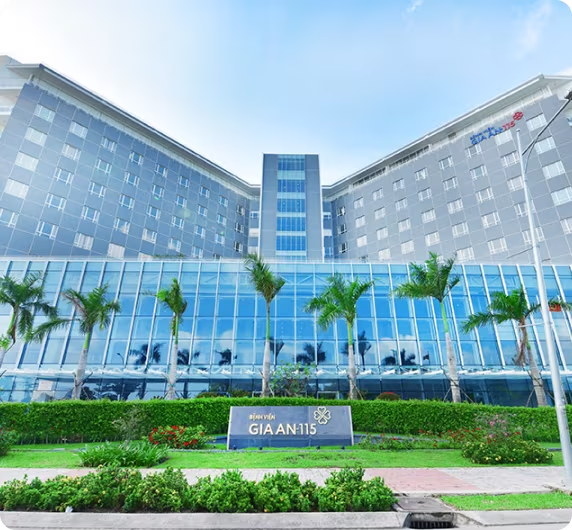
Certified plastic surgeons perform rhinoplasty procedures at Gia An 115 Hospital
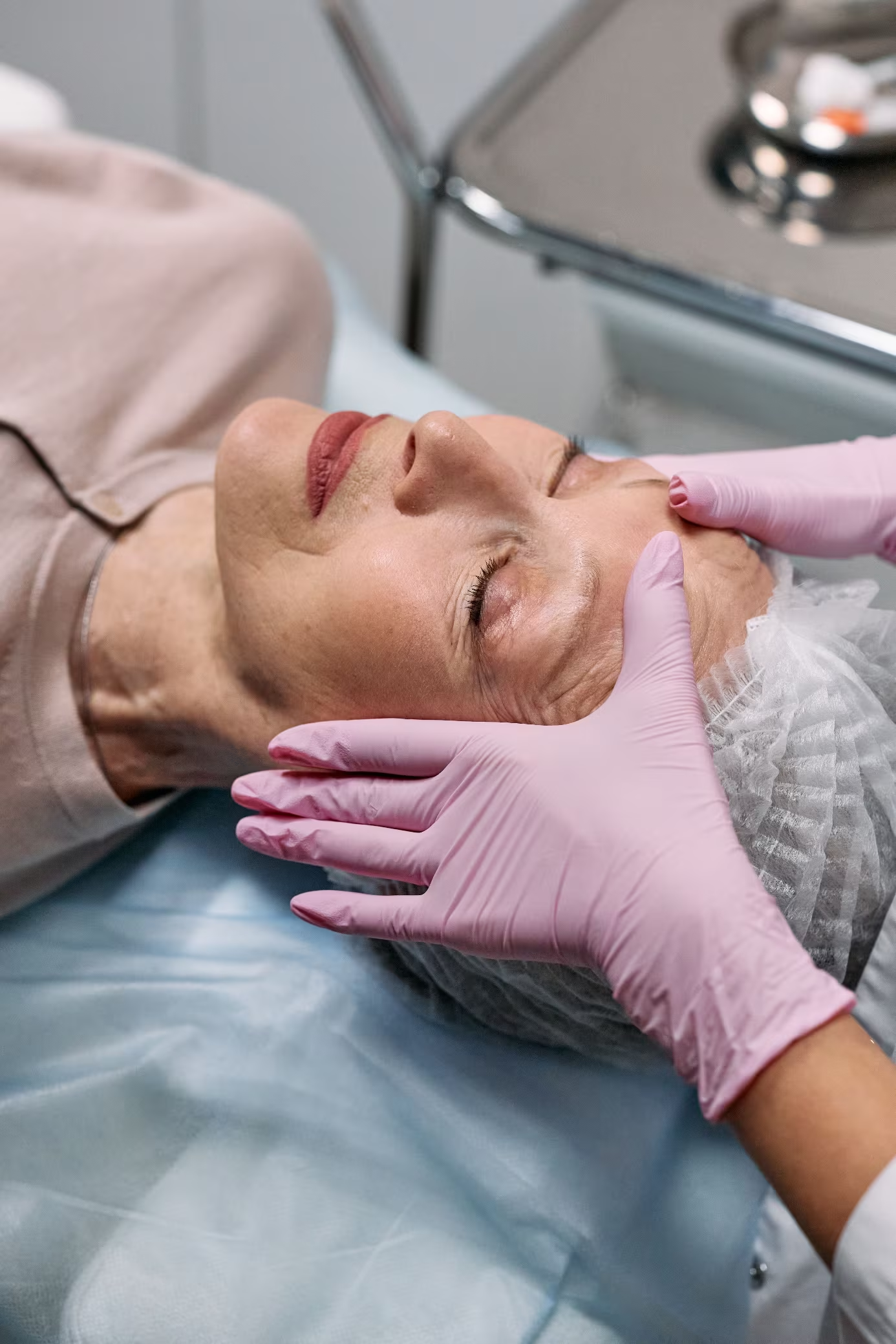

Specialized facial lifting techniques range from non-invasive to surgical methods. High-tech technologies like HIFU and Thermage stimulate collagen production, while bio-absorbable thread lifting helps lift sagging muscles. Surgical removal of excess skin provides the most noticeable results for severe aging
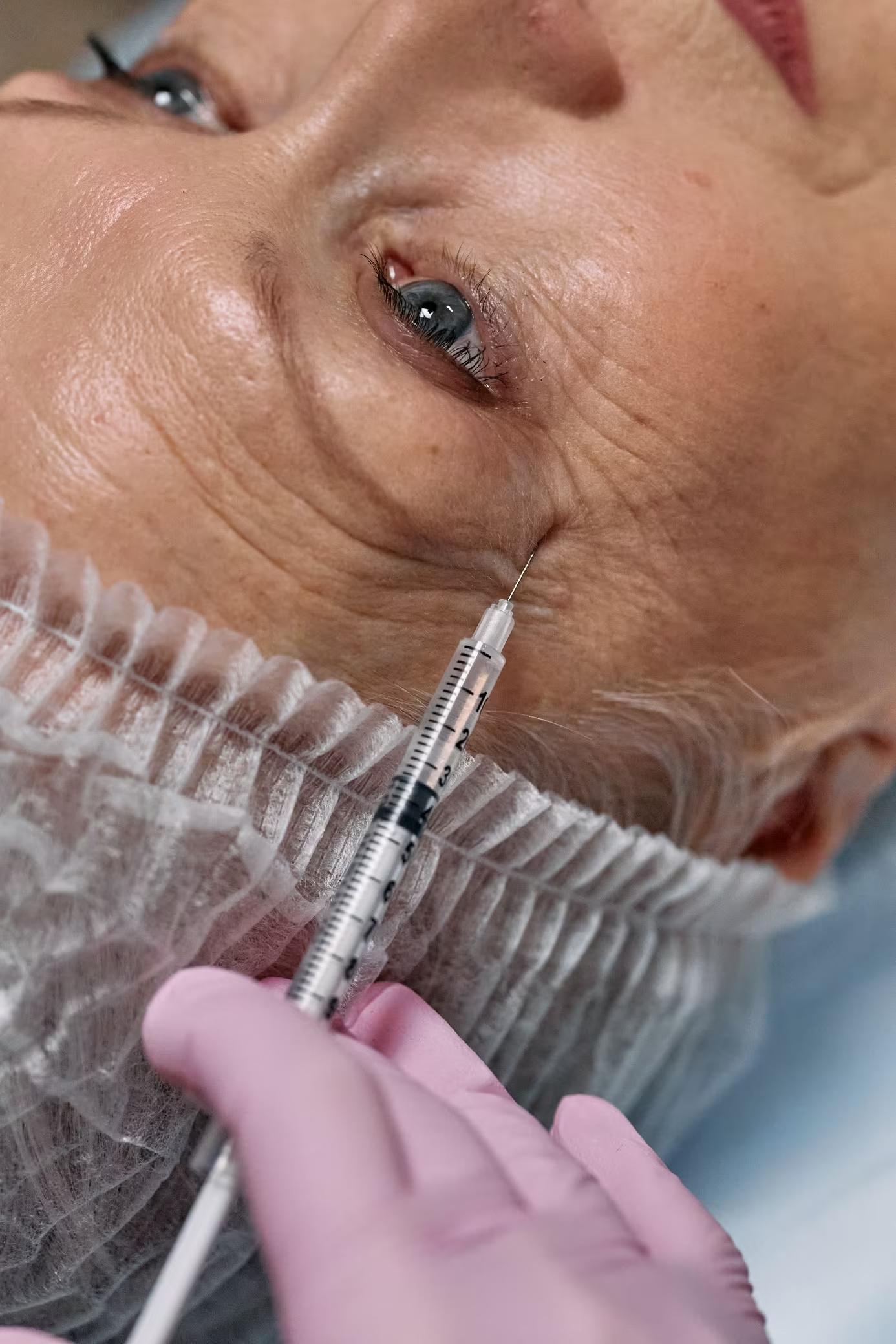
These methods use focused energy to penetrate deep into the dermis or subcutaneous fascia (SMAS) without surgery or downtime.
HIFU (High-Intensity Focused Ultrasound) technology: Uses high-intensity focused ultrasound waves, penetrating up to 4.5mm under the skin. Temperatures of 60-70°C stimulate collagen regeneration, slimming facial contours (such as double chin and V-line face). Suitable for people with large or sagging facial muscles.
Thermage technology: Uses monopolar radio frequency (RF) waves to deliver heat deep into the dermis. Thermage focuses on firming the skin surface, reducing wrinkles, and increasing elasticity, suitable for sagging skin.
Difference: HIFU focuses on lifting and contouring (visible after 2-3 months), while Thermage focuses on firming and smoothing the skin (visible after 1-3 months).
These methods use focused energy to penetrate deep into the dermis or subcutaneous fascia (SMAS) without surgery or downtime.
Mechanism: The doctor will insert biodegradable threads (such as barbed threads or collagen threads) into the dermis. The barbs on the threads will grip the tissue and pull the sagging skin taut, while stimulating the body to produce collagen around the threads.
This is the most advanced technique for severe aging, with significant excess skin and deep sagging in the face and neck area.
Procedure: The doctor will make a small incision (usually hidden along the hairline and earlobe), separate the skin, tighten the underlying muscle layer, remove excess skin, and perform cosmetic suturing.
Characteristics: Provides spectacular rejuvenation effects, with immediate and long-lasting results after surgery; however, it requires a long recovery period and strict post-operative care.
Before Arrival
Day 1 – Arrival
Day 2 – Preparation
Day 3 & 4 – Initial Procedure and Recovery
Days 5-7 – Recovery Days
Days 8-13 – Continued Recovery:
Day 14 – Departure Day:
Proper aftercare following a facelift accounts for 70% of the aesthetic results. It’s essential to maintain wound hygiene with saline solution, apply cold compresses to reduce swelling for the first 5 days, avoid foods that can cause scarring, refrain from strong facial expressions, and attend follow-up appointments as scheduled.
Common Questions about Facelift
The results of a facelift, also known as a facial lift, can last up to 10 years or more, depending on factors such as your skin type, lifestyle, and aging process.
Our Hospitals offer traditional SMAS facelifts, deep facelifts, mini facelifts, and endoscopic facelifts. Certified surgeons will recommend the best technique based on your facial anatomy and goals.
All of our partner surgeons are internationally certified. We verify their expertise and only work with surgeons who meet international standards.
A facelift surgery in Vietnam typically costs between US$3,000 and US$6,000 (all-inclusive).
Yes, many patients combine a facelift with eyelid surgery, eyebrow lift, rhinoplasty, or fat grafting for comprehensive facial rejuvenation at a significantly reduced cost.
We recommend a total stay of 10-14 days. This includes pre-operative consultation, surgery, and initial recovery monitoring before flying home safely.
Most patients stay in the hospital for 1-2 nights after surgery for initial monitoring and recovery.
The initial recovery process usually takes about 2-3 weeks. Swelling and bruising will gradually subside during this time. Complete recovery and final results may take several months.
Most people can return to work and normal activities within 2-3 weeks, depending on the nature of their work and their individual recovery process.
The level of pain varies, but most patients experience moderate discomfort that can be managed with prescription pain medication. The first few days are usually the most uncomfortable.
Wrinkle removal surgery is generally safe when performed by a qualified and experienced surgeon. Like any surgery, this procedure carries potential risks and complications that should be discussed with your surgeon.
Many patients find wrinkle removal surgery worthwhile due to the significant improvement in their appearance and self-esteem. This decision is personal and should be made after careful consideration and consultation with a qualified surgeon.
Wrinkle removal surgery involves incisions, but is usually performed in inconspicuous locations, such as around the ears and along the hairline. With proper care, scars typically fade and become less noticeable over time.