

Why is it called “medical tourism” and not “going abroad for medical treatment”?
Medical tourism, or “Medical Tourism” in English, is defined as the process of traveling abroad for the purpose of receiving medical care. The growth of this type of tourism has attracted the attention of policymakers, researchers, and the media.

Why combine “tourism” and “medical” into “medical tourism”? Because most people who seek medical treatment at foreign medical facilities usually stay in that country for a period of time after receiving diagnostic and treatment interventions. During their stay, visitors can take advantage of their trip to sightsee, participate in day trips, and engage in other traditional tourist activities.

Initially, the term “medical tourism” only referred to residents of less developed countries traveling to developed countries to pursue treatments that were not available in their home countries. But today, the opposite is happening, with residents of wealthier countries moving to developing countries to access medical services.
This shift is due to the following main reasons: (1) The cost of medical services in developing countries is much lower, (2) The availability of cheap flights, (3) The impact of online media and marketing on consumers regarding the availability of medical services in these countries.
Medical tourism is a multi-billion dollar phenomenon worldwide, and it is projected to continue growing strongly in the coming decades. For those interested in traveling abroad to access medical services, cost remains a decisive factor.
While medical service costs in the US and other countries with developed healthcare systems continue to rise, developing countries are beginning to consider the financial benefits of this emerging market. Many countries have invested in high-tech medical services at lower costs, with surgical procedures costing only 30% to 70% of the price in the US.

Besides price, the primary concern for medical tourists is the quality of technical services and the quality of service provided by healthcare facilities in the countries they plan to visit. This is a decisive factor in attracting customers. The quality of medical services will be a major barrier to medical tourism in developing countries.
For this reason, many hospitals and healthcare facilities must demonstrate the quality of their services through quality certifications from reputable international organizations when introducing and marketing to international customers, such as JCI accreditation.

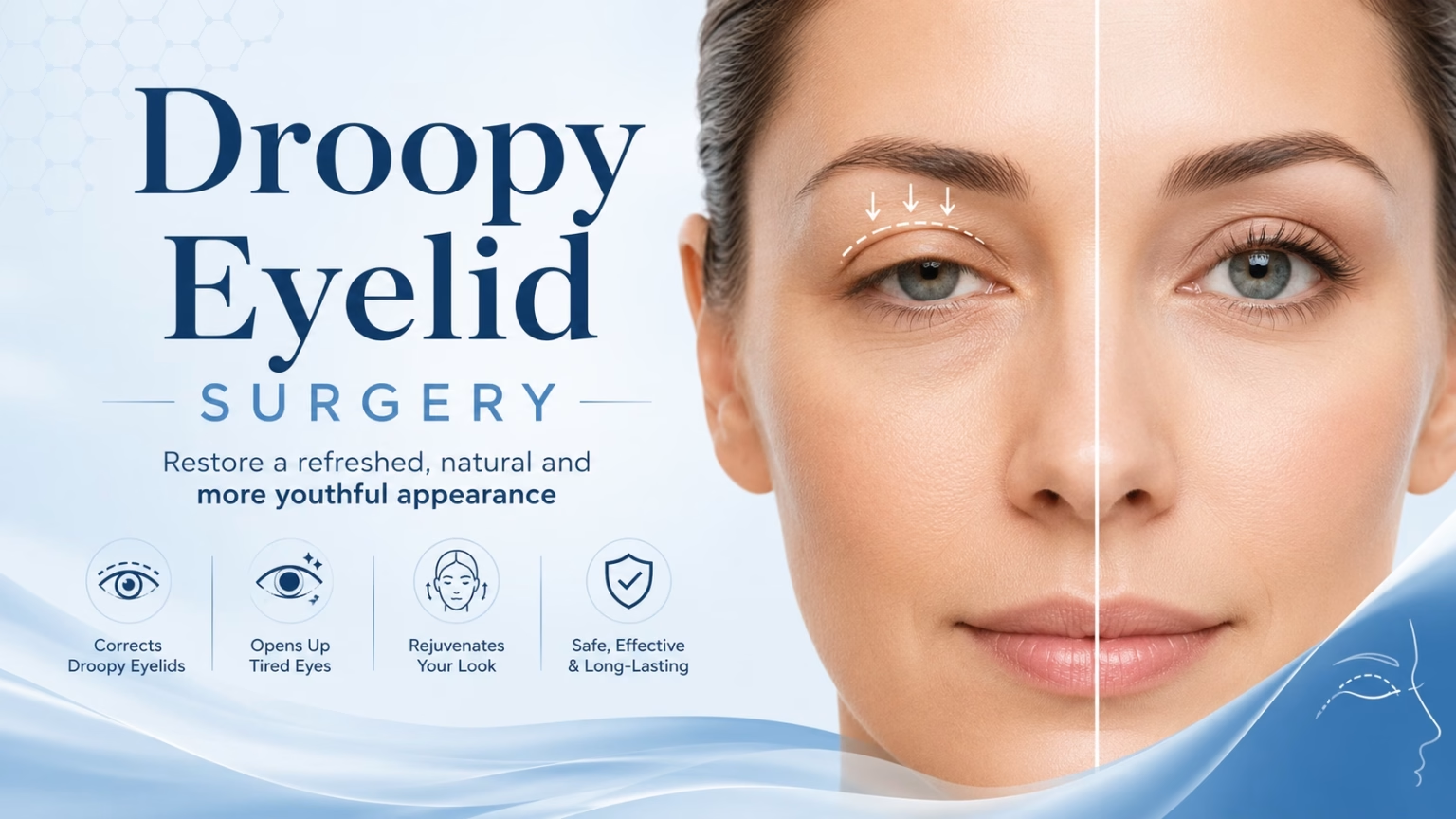
The types of diagnostic and treatment services and their availability are also decisive factors in medical tourism. According to statistics from many countries around the world, the most popular medical tourism services include: cosmetic surgery, dentistry, organ transplantation, cardiac surgery, and orthopedic surgery. In addition, in-vitro fertilization and other assisted reproductive services are also popular choices for medical tourists.

Knowing the global trends in medical tourism, and understanding the decisive and highly competitive factors in this sector, domestic medical facilities, especially public and private hospitals and medical centers in Ho Chi Minh City, should continue to leverage their strengths in specialized technical services and professional quality while improving and strengthening weaknesses in service quality. In the near future, Ho Chi Minh City’s medical tourism sector will be able to compete with other countries in the region.