
Before Arrival
Initial online consultation with a certified cosmetic surgeon.
Review of your aesthetic goals and medical history.
Meeting with your patient representative before departure to confirm the itinerary.
Our base package performed in Ho Chi Minh City includes:
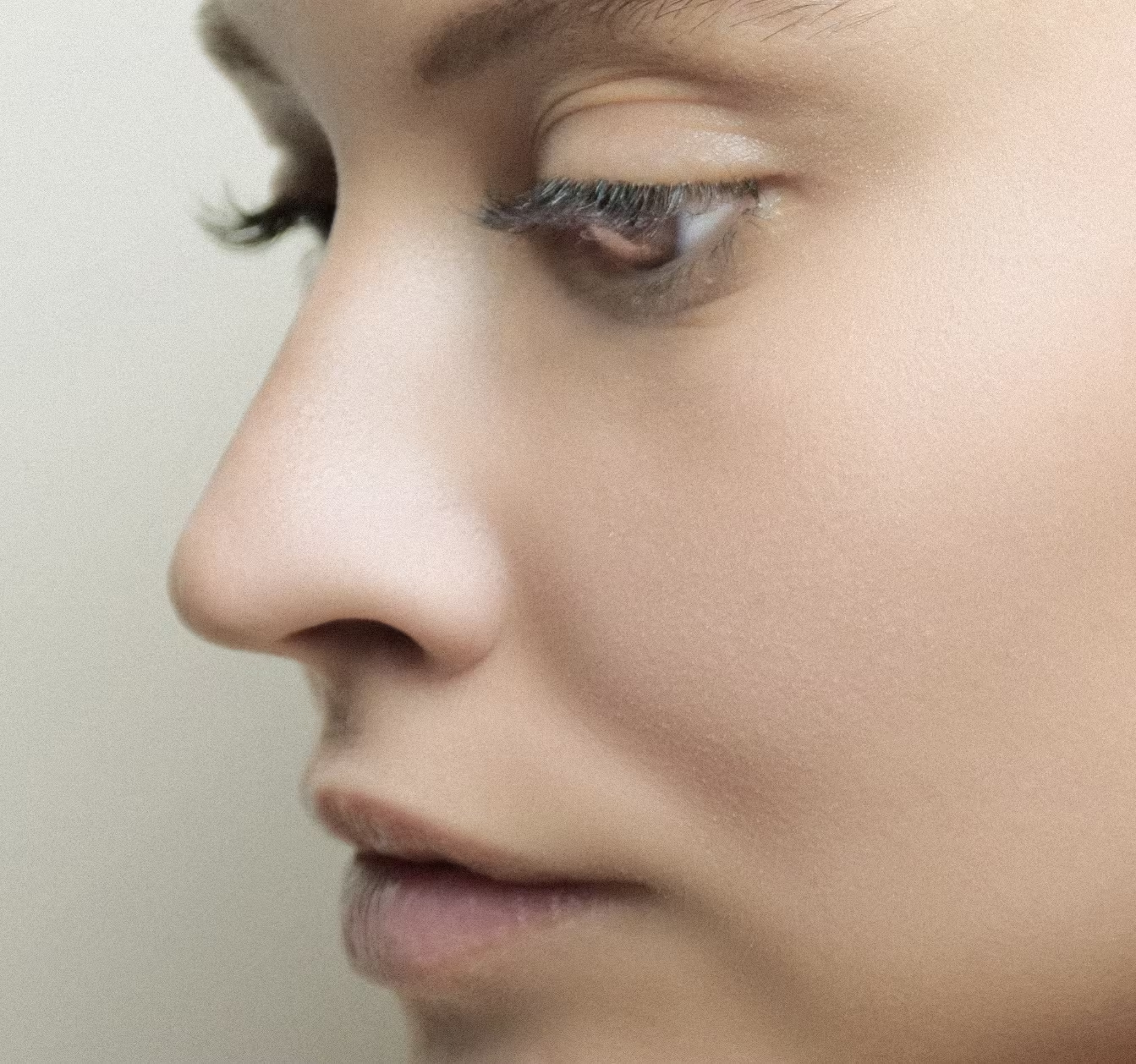
Surgery time
1-3 hours
Stay Time
5-7 days
Cost Saving
Up to 70%
Nose augmentation and rhinoplasty in Vietnam offer world-class cosmetic surgery solutions at affordable prices.
Whether you are looking for nose augmentation to improve respiratory function or enhance facial aesthetics for a more harmonious face, our MediTour will connect you with certified cosmetic surgeons specializing in nasal structure and nose augmentation techniques.
From open rhinoplasty to closed procedures, our partner hospitals in Vietnam provide comprehensive care including pre-operative consultation, advanced surgical techniques, and post-operative recovery support.
With modern facilities, an English-speaking medical team, and personalized treatment plans, patients achieve natural-looking results while significantly saving on cosmetic surgery costs.
Rhinoplasty, often referred to as nose reshaping or nose lift, reshapes the nose to enhance facial harmony and address breathing issues.
This procedure can alter the size, shape, and angle of the nose to improve aesthetics and function.
Procedure Time
1-3 hours surgical
Procedure Type
Outpatient procedure
Anesthesia Method
General anesthesia
Recovery Time
2-4 weeks initial recovery
Work Time
1-2 weeks after recovery
Certified plastic surgeons perform rhinoplasty procedures at Gia An 115 Hospital
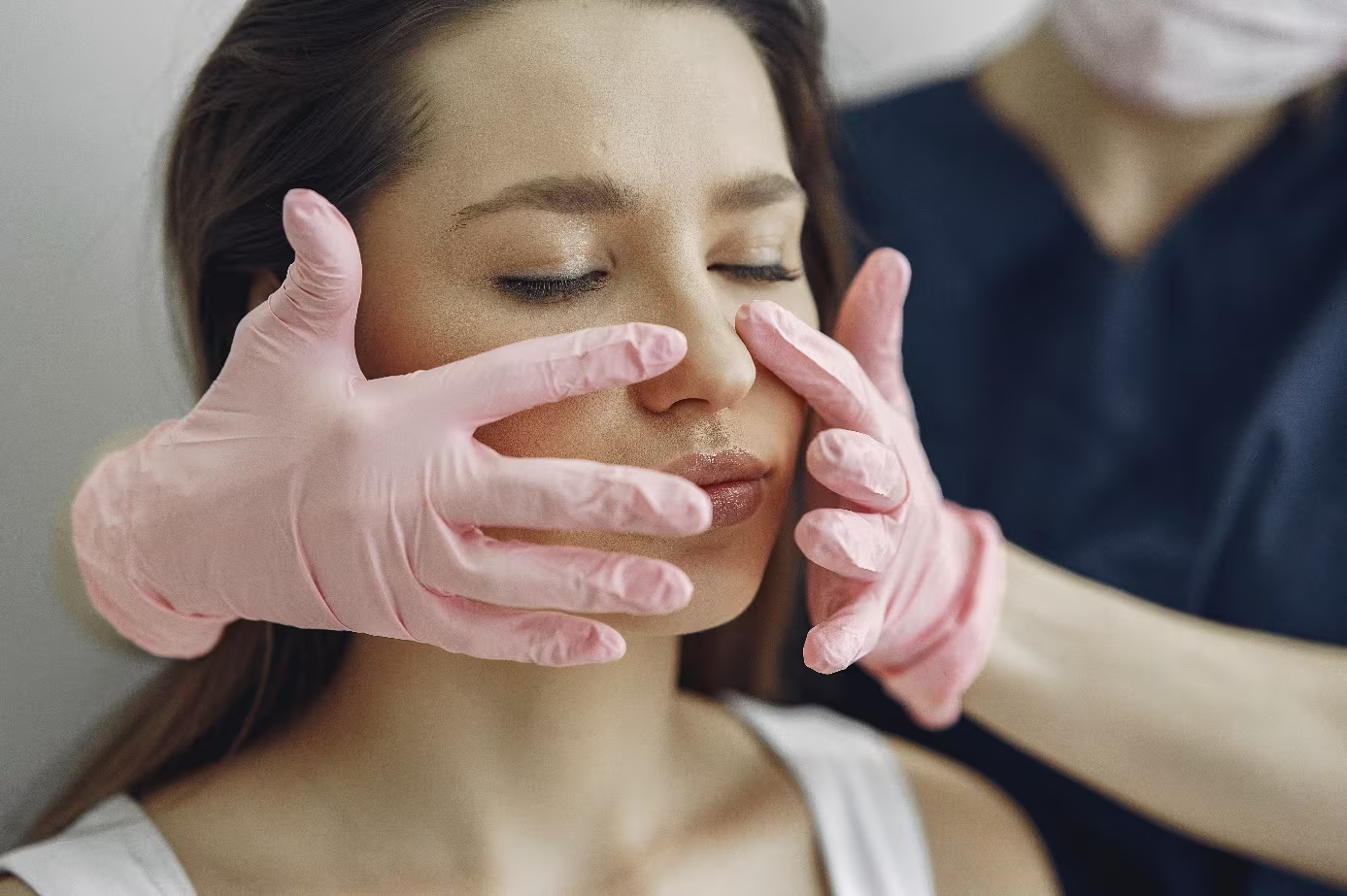
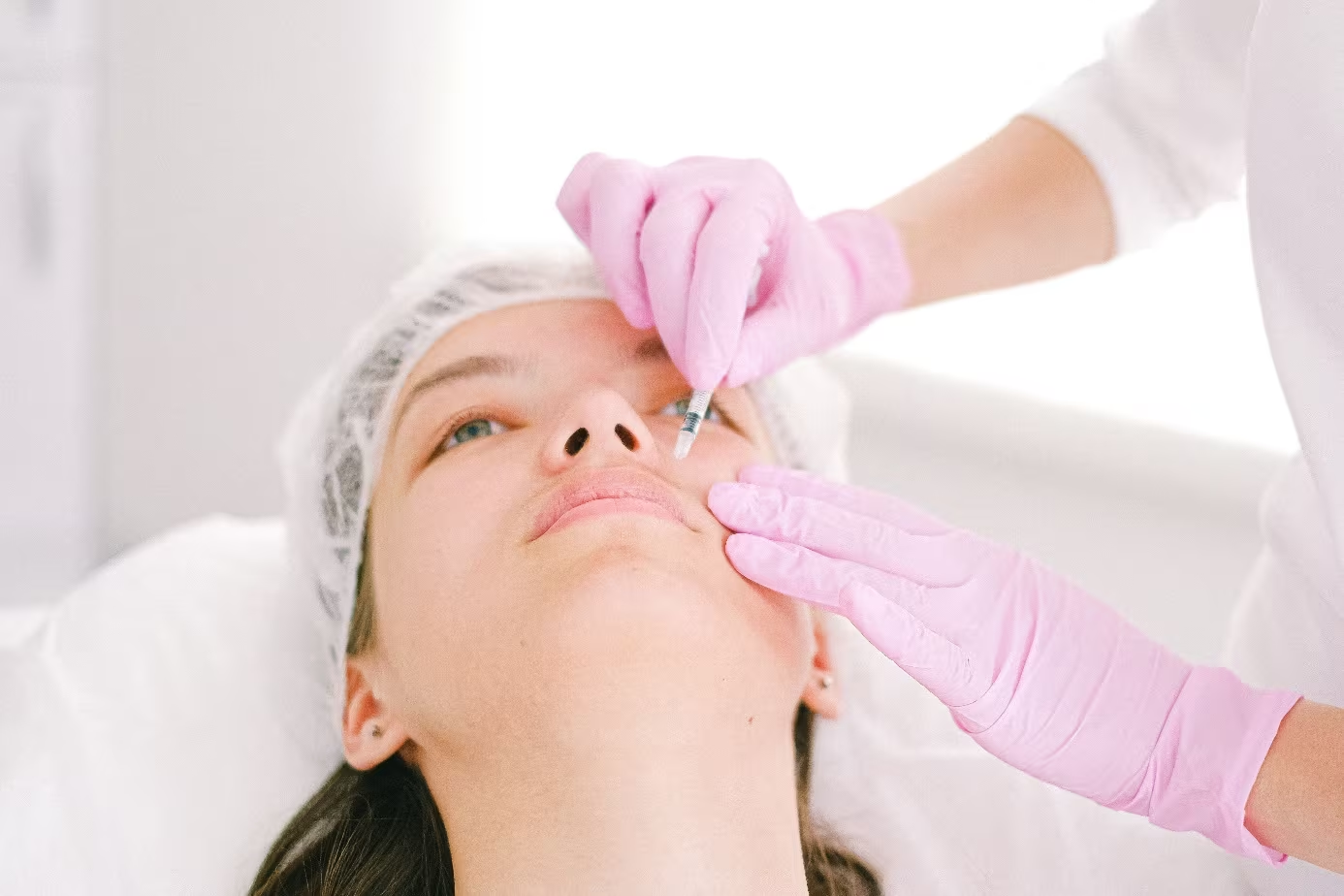
Nose augmentation is a surgical or non-surgical procedure aimed at reconstructing the structure, adjusting the height, and reshaping of the nose.
This specialized procedure requires a combination of advanced medical techniques and a personalized treatment plan to achieve the most natural and harmonious results for the face.
Step 1: Examination and consultation: The specialist will assess the skin condition, nasal bone/cartilage structure, and listen to your wishes to sketch the desired nose shape.
Step 2: Comprehensive health check: Blood pressure measurement, blood tests, and drug reaction tests are conducted to ensure the patient is healthy enough to enter the operating room.
Step 3: Measuring and designing the nose shape: The doctor draws the golden ratio on the face, determining the size and shape of the filler material for a balanced result.
Step 4: Performing the surgery: Disinfect and administer local anesthesia/sedation. The doctor will proceed with dissecting and inserting cartilage to shape the nasal structure. The procedure usually takes 90-150 minutes depending on the method.
Step 5: Post-operative care: The patient will wear a splint to maintain the shape of the nose. The doctor will prescribe medication and provide detailed instructions on hygiene and follow-up appointments.
A safe rhinoplasty surgery requires strict adherence to the following specific steps:
Rhinoplasty: This is the most advanced and comprehensive technique, allowing for the correction of all nasal defects. This method combines artificial cartilage to raise the nasal bridge and autologous cartilage (ear cartilage, septal cartilage, or rib cartilage) to cover the nasal tip and create a nasal support.
Cartilage Grafting Nose Augmentation: Suitable for those who already have a basic nasal shape; only the nasal bridge needs to be raised, and autologous cartilage (usually ear cartilage) is used to cover the nasal tip to protect the skin and prevent redness and visible implant edges.
Nose Augmentation with Fillers or Autologous Fat: A non-surgical technique. The doctor will inject filler or perform autologous fat grafting to reshape the nasal bridge or fill in sunken areas. This method is quick but provides temporary results.
Semi-structural rhinoplasty: This involves partially modifying the nasal structure (usually raising the bridge and covering the tip), but does not reconstruct the entire septum and nasal column like full structural rhinoplasty.
Follow the practice of applying ice packs (for the first 48 hours) to reduce swelling, then apply warm compresses to dissolve bruising.
Avoid foods that can easily cause scarring, allergies, or slow down the healing process, such as: beef, seafood, water spinach, sticky rice, and stimulants.
Avoid strenuous sports activities, do not wear heavy glasses that put pressure on the bridge of the nose, and avoid lying prone or on your side for the first 1-2 weeks.
Follow-up appointments and suture removal should be done according to the doctor’s schedule (usually after 7-10 days).
Before Arrival
Initial online consultation with a certified cosmetic surgeon.
Review of your aesthetic goals and medical history.
Meeting with your patient representative before departure to confirm the itinerary.
Day 1 – Arrival
Arrival in Ho Chi Minh City, Vietnam
Meet and pick you up at the airport.
Bring you to your confirmed accommodation.
Relax and surgical preparation.
Day 2 – Preparation day
Pre-operative consultation with your plastic surgeon.
Final discussion of surgical plan and expectations.
Pre-surgical tests and anesthesia consultation.
Day 3 – Surgery Day
Transfer to a certified surgical hospital.
Rhinoplasty surgery under general anesthesia.
Post-operative recovery monitoring.
Return to accommodation with nursing support.
Days 4-6 – Recovery Days
Daily health check-ups with medical staff.
Splint care and medication management.
24/7 consultation support.
Pre-departure follow-up consultation.
Day 7 – Departure Day
Final health status confirmation for travel.
Provided airport transfer service
Post-operative care instructions.
Continued online follow-up support.
Post-operative care plays a crucial role, determining 80% of the aesthetic results and the longevity of the nose shape. Strict adherence to wound hygiene using cotton swabs and saline solution, cold compresses to reduce swelling for the first two days, avoiding foods that cause scarring/allergies, and attending follow-up appointments as scheduled are essential.
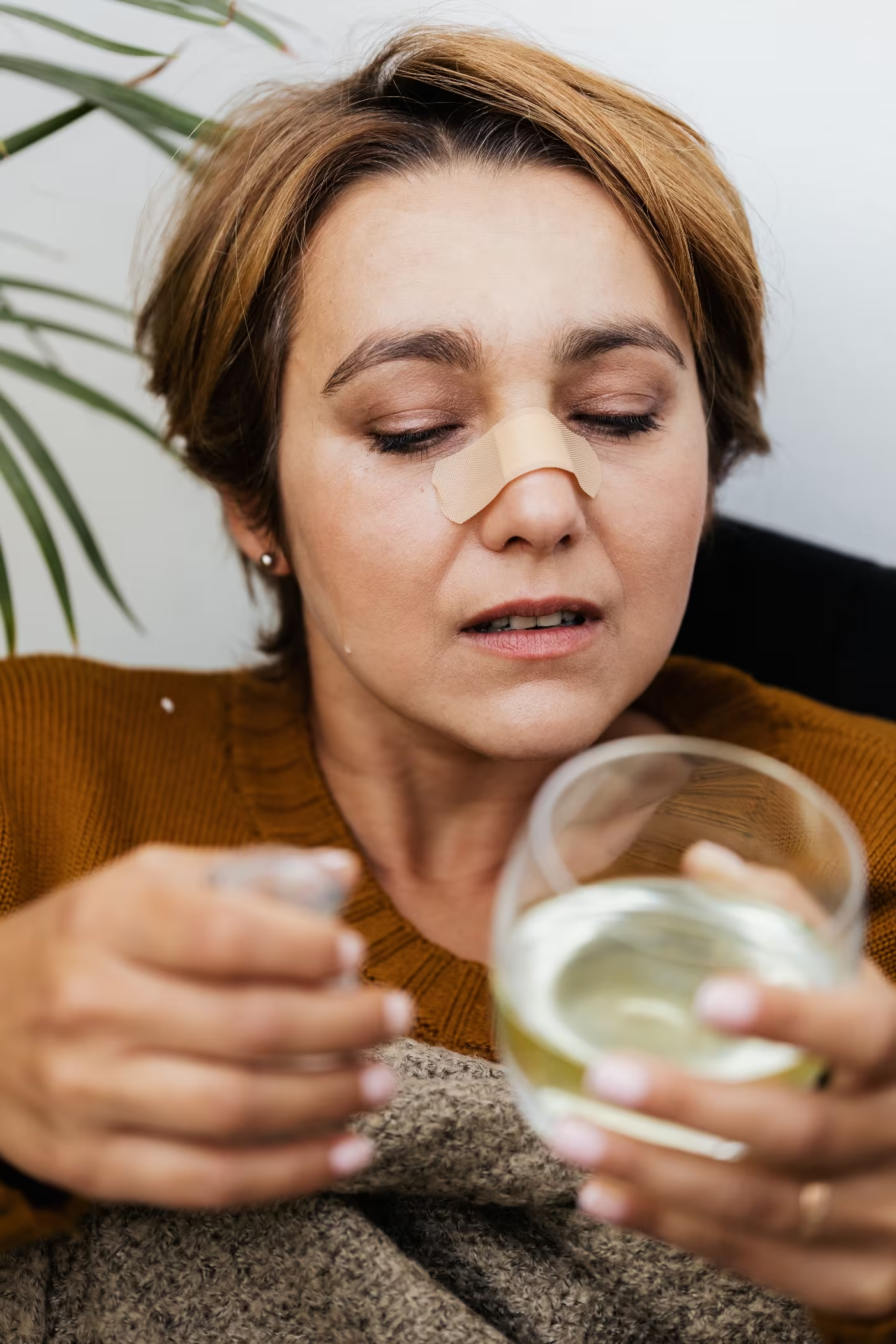
To promote faster wound healing and minimize keloid and dark scars, eliminate the following foods:
Seafood and pungent foods: Shrimp, fish, crab, squid (can easily cause itching and allergies).
Beef, chicken, eggs: Can darken the wound or cause keloid scarring.
Sticky rice, water spinach: Easily cause pus formation and keloid scarring.
Stimulants: Absolutely no alcohol, beer, cigarettes, or coffee for the first 4-6 weeks as they reduce the effectiveness of antibiotics and increase the risk of infection.
Frequency: Clean 2-3 times/day using a clean cotton swab.
Procedure: Use a cotton swab soaked in saline solution to gently wipe the suture line. Next, use a cotton swab soaked in antiseptic solution (Povidine) to apply to the incision, and wipe it one last time with a cotton swab soaked in saline solution.
Do not allow the antiseptic (Povidine) to form a hard scab on the stitches. Change the nasal splint dressing as directed by your doctor.
Normal signs: Mild swelling and bruising around the eyes and nose for the first 3-5 days. Light pink discharge (change the dressing frequently to ensure hygiene).
Abnormal signs: Continuous nosebleeds, persistent swelling and redness that does not subside, severe pain, or signs of pus formation. Contact your surgeon immediately for examination.
Common Questions about Rhinoplasty and Nose Reshaping
Vietnam has certified cosmetic surgeons specializing in rhinoplasty for foreigners, modern surgical facilities, significantly lower costs compared to abroad, and expertise in nasal structure for foreigners.
The cost of rhinoplasty in Vietnam is significantly lower than in other countries, with comprehensive packages including surgery, accommodation, recovery support, and medical tourism coordination.
Open rhinoplasty involves an external incision through the nasal septum for better surgical access, while closed rhinoplasty uses only internal incisions. The surgeon will recommend the best technique based on your nasal structure and desired outcome.
Absolutely. Our certified cosmetic surgeons specialize in rhinoplasty techniques for everyone, helping to improve facial harmony while preserving ethnic features and understanding unique nasal structures.
Packages include consultation with a certified surgeon, surgical procedure, general anesthesia, post-operative care, post-operative accommodation, airport transfers, and support from an English-speaking patient representative at our Partner Hospitals in Vietnam.
Initial recovery takes 1-2 weeks with splints and bandages. Most patients return to work after 2-3 weeks, and the final results can be seen after several months once the nasal structure has fully healed.
Yes, all of our partner surgeons are certified cosmetic surgeons, highly trained in rhinoplasty, facial cosmetic surgery, and other cosmetic procedures, many of them holding international certifications.
Many patients feel that rhinoplasty is worthwhile, especially if it improves their appearance, self-esteem, and respiratory function. This decision is personal and should be made after thorough consultation with a board-certified cosmetic surgeon.
Incisions are usually made inside the nostrils or in discreet locations on the nose, so visible scarring is minimal. Proper post-operative care can significantly reduce the appearance of scarring.